Women's Vintage Clothing Guide UK: How to Buy Fits, Layers and Everyday Pieces
July 01, 2026 · Demand Vintage
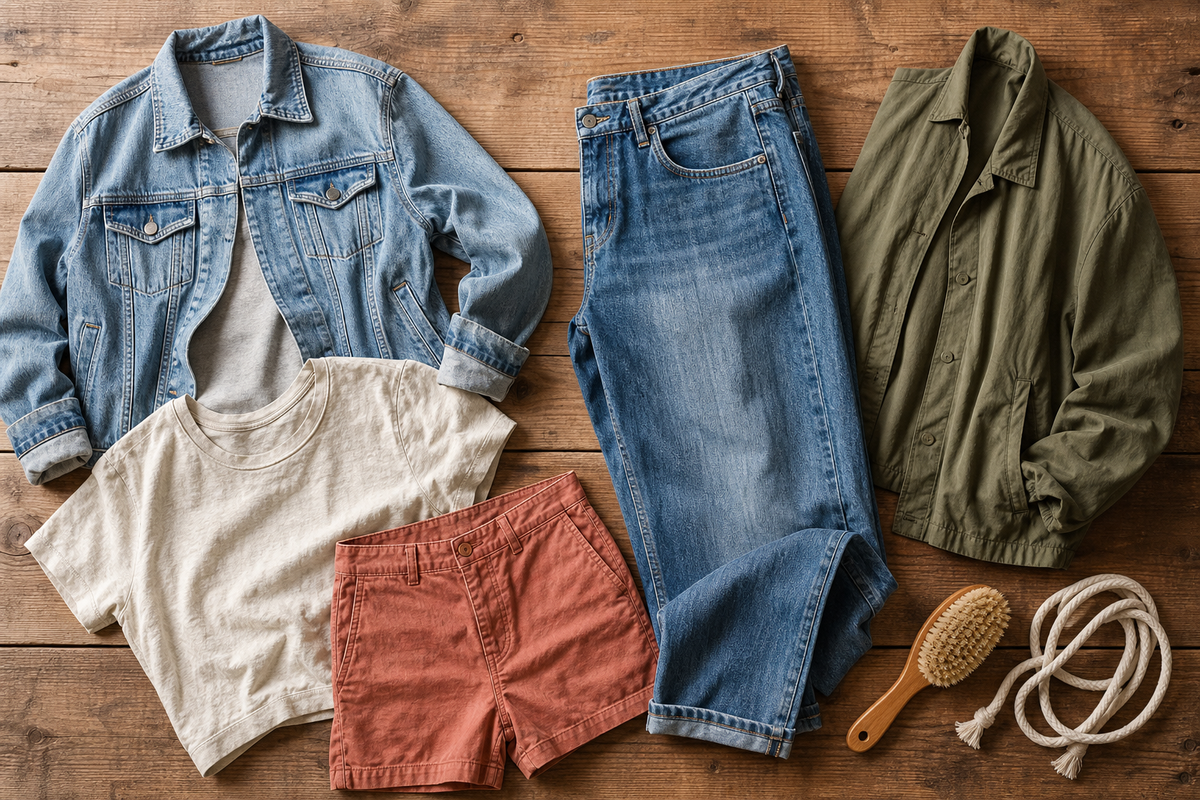
Shopping for women's vintage clothing in the UK works best when you treat every piece as an individual garment rather than relying on the size printed on the label. Older cuts, previous wear, fabric shrinkage and unisex stock can all change how something fits, which is why measurements, condition notes and outfit planning matter more than the label alone.
This guide is for building a practical women's vintage wardrobe from pieces you can actually wear often: T-shirts, sweatshirts, jackets, jeans, trousers, shorts and easy layers. Start with the live Womens vintage collection, then use the category links below to narrow your search.
Start With Measurements, Not the Label
Vintage women's sizing can feel inconsistent because garments may come from different decades, countries, brands and original fits. A listed size is a useful clue, but the most reliable check is still the flat measurement.
Compare With Clothes You Already Wear
Before buying, measure a T-shirt, sweatshirt, jacket and pair of jeans that already fit you well. Keep the numbers in your notes so you can compare them quickly when browsing. For a full method, use the Vintage Clothing Size Guide UK, and for denim specifically read How to Measure Vintage Jeans Before You Buy.
Decide the Fit Before You Shop
Some vintage pieces look best relaxed; others work better cropped, neat or boxy. Decide whether you want a closer fit, an oversized layer or a straight everyday shape before you compare measurements. That makes it easier to choose between Womens T-shirts & Polos, Womens Hoodies & Sweatshirts and broader unisex layers.
Build Around Everyday Outfit Roles
A good women's vintage wardrobe does not need to be complicated. Think in outfit roles first: base layers, warm layers, outerwear, bottoms and seasonal pieces. This keeps the shopping practical and helps you avoid buying pieces that are great on their own but hard to wear.
Base Layers: Tees and Polos
A plain vintage tee, textured polo or soft worn-in top is often the easiest place to start. Look for shoulder width, chest width and length, then check the neckline and fabric weight. If you want more detail, the Vintage T-Shirts Guide UK explains fabric, fit and condition checks that apply across women's and unisex tops.
Mid Layers: Sweatshirts, Hoodies and Knitwear
Sweatshirts and hoodies are useful for UK weather because they sit between a T-shirt and a jacket. Cropped or boxy sweatshirts work well with high-waisted jeans, while longer hoodies suit relaxed trousers or shorts. Browse Womens Hoodies & Sweatshirts and compare with the advice in the Vintage Sweatshirts Guide UK.
Outerwear: Jackets That Change the Outfit
A vintage jacket can make simple pieces feel considered. Denim jackets, canvas layers, fleeces and lightweight coats all work differently, so check sleeve length, shoulder width and whether there is room for a sweatshirt underneath. Start with Womens Coats & Jackets, or use the Vintage Jackets Guide UK for more detailed outerwear checks.
Choose Bottoms by Shape and Rise
Jeans, trousers and shorts usually need the most careful measurement. Waist, rise, hip, thigh and inseam all affect how the garment feels, especially when vintage denim or cotton has softened with wear.
For full-length options, browse Womens Trousers & Jeans. If you prefer an easier summer or festival piece, check Womens Shorts. The Vintage Trousers Guide UK is useful if you are comparing cargos, chinos and relaxed fits.
Use Condition Notes Properly
Vintage clothing is pre-owned, so condition is part of the buying decision. Look for clear notes on wear, marks, fading, repairs, missing hardware or fabric thinning. Fading and softness can be part of the appeal; structural damage, weak seams or awkward stains need more thought.
If you want the cleanest options, browse Excellent Condition. For pieces with more visible character, Good Condition can still be a strong choice when the wear suits the garment. The Vintage Clothing Condition Guide UK explains how to read those terms before buying.
Style Women's Vintage for UK Weather
UK outfits often need to handle sun, wind and rain in the same week, so flexible layers are more useful than single-purpose pieces. A tee, sweatshirt and jacket combination gives you more ways to adjust through the day without changing the whole outfit.
For a simple everyday formula, try a vintage tee with straight-leg jeans and a light jacket. For colder days, add a sweatshirt under outerwear. For warmer weekends, swap jeans for shorts and keep a lightweight jacket nearby. The Vintage Layering Guide UK goes deeper on building outfits for changeable weather.
Do Not Ignore Unisex and Men's Rails
Many vintage sweatshirts, jackets and tees are naturally unisex in shape. If you like a relaxed fit, it can be worth comparing women's pieces with broader categories such as Mens Hoodies & Sweatshirts or Mens Coats & Jackets. The key is still measurement: shoulder width, chest width and length decide whether the oversized look feels intentional.
Care for Pieces So They Last
Once a vintage piece fits well and works in your wardrobe, look after it carefully. Wash only when needed, use gentler cycles where suitable, air dry when possible and store knitwear folded rather than hanging. For more detail, read How to Care for Vintage Clothes.
Small flaws do not always mean a piece is finished. A loose button, small seam opening or simple hem issue may be repairable, and thoughtful repairs can keep good clothes in rotation. The Repair, Rework, Rewear guide covers when a fix or rework is worth considering.
Where to Start on Demand Vintage
If you are building from scratch, start with New Arrivals to see the latest stock, then filter your search through the Womens collection and the most useful categories: T-shirts & Polos, Hoodies & Sweatshirts, Coats & Jackets, Trousers & Jeans and Shorts.
The best women's vintage clothing buys are the pieces where fit, fabric, condition and styling all make sense together. Measure first, check condition, picture at least two outfits, and choose pieces that can earn regular wear.