Vintage Sweatshirts Guide UK: How to Buy Better Hoodies, Crewnecks and Fleeces
June 19, 2026 · Demand Vintage
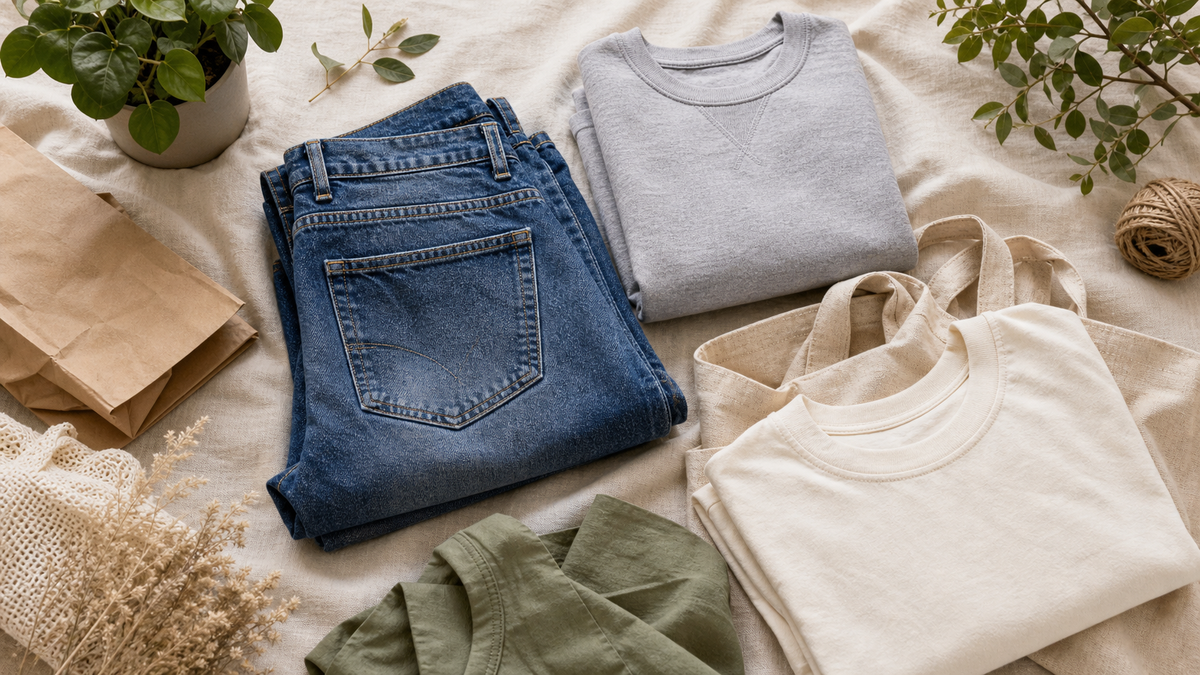
Vintage sweatshirts are one of the easiest ways to build a wardrobe with more character. Whether you are after a washed crewneck, an oversized hoodie or a lightweight fleece for layering, the best pairs combine comfort, durability and a fit that already feels broken in. If you are browsing men's vintage hoodies and sweatshirts, women's vintage hoodies and sweatshirts or the latest new arrivals, a few practical checks will help you buy better.
Why vintage sweatshirts work so well in the UK
Sweatshirts make sense for British wardrobes because they handle changeable weather, layer easily and usually get better with wear. Older sweats often have a softer hand feel, heavier ribbing and a washed-in look that can be hard to fake. They are also flexible: you can throw one over denim on a cool summer evening, use it under outerwear in autumn or keep a fleece in rotation for everyday errands and travel.
If you want thicker, more elevated layers, it is also worth keeping an eye on Premium Sweaters alongside the main sweat collections. The key is not chasing the label alone. Focus on weight, fit, condition and how often you will actually wear the piece.
Start with the right type of vintage sweatshirt
Hoodies
Hoodies are usually the most casual option and the easiest place to start if you want everyday wear. Look for a hood that sits neatly, cuffs that still hold shape and a body width that works over a tee without feeling sloppy. Vintage hoodies look best when the fit is intentional rather than just oversized for the sake of it.
Crewneck sweatshirts
Crewnecks are the most versatile choice. They work with jeans, workwear trousers and shorts, and they layer cleanly under jackets. If you only buy one sweatshirt style, a plain or lightly branded vintage crewneck is often the safest bet because it can move between casual and smarter outfits without much effort.
Fleeces and quarter-zips
Fleeces and quarter-zips are ideal when you want warmth without the bulk of a heavy coat. They are especially useful for transitional months in the UK. Check the zip, collar shape and any contrast panels carefully, because those details usually decide whether the piece feels sharp or tired.
How to check fit before you buy
Vintage sizing is inconsistent, so the tag should never be your only reference point. Start with the measurements. The most helpful numbers for sweatshirts are pit to pit, shoulder width, body length and sleeve length. Compare them with your best-fitting sweatshirt at home rather than assuming a vintage large will fit like a modern large.
If you need a refresher on reading measurements, the Demand Vintage size guide is the best place to start. A good rule of thumb is to decide in advance whether you want a relaxed fit, a boxy cropped fit or a cleaner regular fit. Once you know the shape you are after, buying becomes much easier.
- Choose a roomier body if you plan to layer a tee or thermal underneath.
- Check the hem length if you prefer a cleaner line with jeans or cargos.
- Watch sleeve length on older pieces, especially if you are tall.
What good vintage sweatshirt condition looks like
Condition matters more than hype. A soft fade can add character, but stretched cuffs, twisted seams and a misshapen neck usually make a sweatshirt harder to wear. Before buying, look closely at the cuffs, waistband, underarms and neckline. These are the areas that show age first.
The vintage clothing condition guide is useful if you want clearer expectations around wear levels. For sweatshirts specifically, minor fading, gentle bobbling and small signs of wash wear are usually fine. What you want to avoid is damage that affects structure, such as split seams, deep staining or ribbing that has lost all recovery.
- Good signs: even fading, soft brushed interior, tidy seams, cuffs with some spring left.
- Proceed with care: heavy pilling, cracked prints, stiff staining, misshapen hoods or broken zips.
- Worth paying more for: strong fabric weight, a great silhouette and clean condition you will reach for repeatedly.
Easy ways to style vintage sweatshirts
You do not need a complicated outfit to make vintage sweats work. The simplest combinations are usually the strongest.
- Pair a crewneck with straight-leg jeans and use the vintage denim guide if you want help balancing fits.
- Wear a hoodie under a chore jacket or heavyweight outer layer for a practical look inspired by the vintage workwear guide.
- Use a fleece with shorts or relaxed trousers when you want something easy for travel, festivals or cooler evenings.
Neutral grey, navy, cream and faded green are easiest to rotate, but a washed burgundy or deeper collegiate shade can also work well if the rest of the outfit stays simple.
How to keep older sweats looking good
Older fleece and jersey fabrics do not need harsh treatment. Wash sweatshirts inside out on a cool cycle, avoid over-drying and give them space to air between wears. Too much heat is what usually makes vintage sweats lose shape fastest.
For a fuller maintenance routine, read the vintage care guide. If a good piece has a loose cuff, small hole or minor seam issue, it may still be worth saving. The article on repairing and reworking vintage clothes is a useful reminder that not every flaw is a reason to walk away.
Where to shop vintage sweatshirts at Demand Vintage
If you want to narrow your search quickly, start with the categories that match how you actually dress:
- Mens Hoodies & Sweatshirts for everyday crewnecks, hoodies and easy layering pieces.
- Womens Hoodies & Sweatshirts for relaxed shapes and softer casual layers.
- Premium Sweaters if you want heavier, more elevated vintage knit and sweat options.
- New Arrivals if you prefer first pick on fresh drops.
The best vintage sweatshirt is the one you will keep wearing. Prioritise shape, fabric feel and condition over trend chasing, and you will end up with a layer that earns its place in your wardrobe year after year.