Vintage Care Labels Guide UK: How to Read Fabric and Washing Tags
July 05, 2026 · Demand Vintage
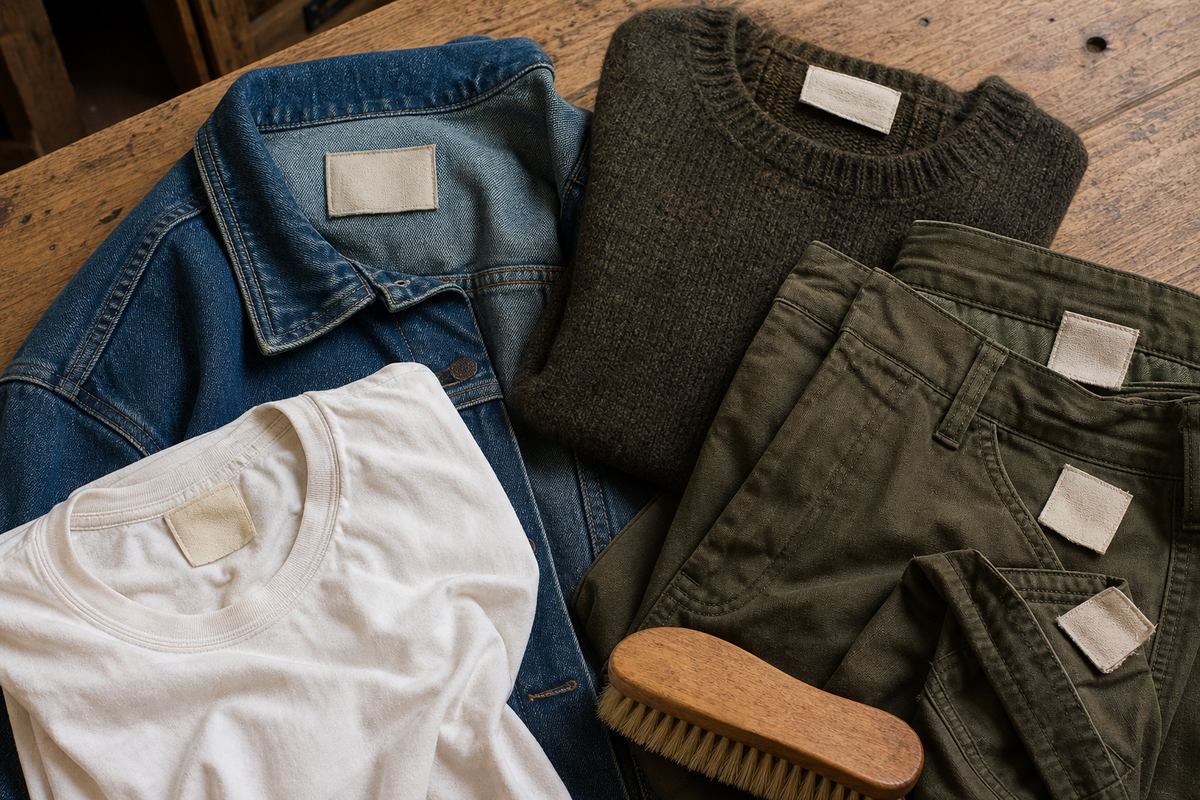
Care labels are small, but they can tell you a lot about a vintage garment before you buy it. They can point towards fibre content, washing limits, country of manufacture, older sizing systems and how carefully a piece needs to be handled. They are not the only thing that matters, but they are useful evidence when you are choosing second-hand clothing online.
This UK-focused guide explains how to read vintage care labels in a practical way, what to do when a label is faded or missing, and how to connect label information with fit, condition and long-term care. Use it alongside Demand Vintage's vintage clothing size guide, care guide and condition guide when you are comparing pieces.
Why care labels matter on vintage clothing
A modern tag often gives you a neat list of fabric, size and wash instructions. Vintage clothing can be less consistent. Some labels are worn, some are from old sizing systems, and some are missing altogether. That is why a care label should be treated as one useful clue, not as the whole decision.
When it is present, a label can help you decide whether a piece is easy-care, delicate, likely to shrink, or better suited to careful hand washing. It can also explain why two garments with similar measurements feel different in wear. A cotton T-shirt, wool jumper, nylon track jacket and heavy denim jean will all behave differently after washing, packing and regular use.
Start with fibre content
The fibre content is usually the most useful part of the label. It tells you what the garment is made from and how cautious to be when cleaning it.
Cotton
Cotton is common in vintage T-shirts, sweatshirts, shirts, chinos and some jackets. It is usually practical, breathable and washable, but older cotton can still shrink, fade or twist if it is washed too hot. If you are browsing Mens T-shirts & Polos, Womens T-shirts & Polos or Mens Hoodies & Sweatshirts, check both fibre and condition before assuming it can take a heavy wash.
Wool and knit blends
Wool, lambswool and wool-rich blends need more care than everyday cotton. Heat, agitation and tumble drying can change the fit or texture. For jumpers and cardigans, especially from the Premium Sweaters collection, read the label carefully and wash gently only when needed. Airing, brushing and careful storage often matter as much as washing.
Denim and heavy cotton twill
Denim and twill often feel robust, but the label still matters. Older jeans, cargos and work trousers can have fading, repaired seams or natural wear that benefits from cooler washing and slower drying. If you are shopping Mens Trousers & Jeans, Womens Trousers & Jeans or Rare Vintage Levi's 501 Denims, compare the label with the measurements and condition notes rather than relying on tag size alone.
Synthetics and sportswear fabrics
Nylon, polyester and acrylic are common in sportswear, fleeces, track jackets and some outerwear. These fabrics can be practical, but heat can damage trims, elastic, coatings or prints. A low-temperature wash and air drying is usually the safer starting point when you do not know how a garment has been cared for previously.
Do not trust vintage size tags on their own
A vintage size label can be helpful, but it should never override actual measurements. Older cuts, brand differences and years of wear can all change how a garment fits. A vintage large may not match a current large, and trousers with the same waist tag can sit differently depending on rise, cut and fabric.
For online shopping, use the label as context and the measurements as the decision-maker. Compare pit-to-pit, length, waist, rise and inside leg against something you already own. Demand Vintage's jeans measuring guide is especially useful for denim, cargos and relaxed trousers.
What washing symbols can and cannot tell you
Care symbols can tell you whether a garment was designed for machine washing, hand washing, dry cleaning, low heat ironing or air drying. The important word is designed. A label does not know what has happened to that garment over the years.
Before washing, check the whole piece. Look at seams, hems, zips, buttons, prints, lining, elastic and any repairs. If a garment is listed in Excellent Condition, it may still deserve careful treatment because vintage fabric has already had a life. If it is in Good Condition, read the condition notes and treat visible wear as a reason to be gentler, not necessarily a reason to avoid the piece.
What if the care label is missing?
Missing labels are common in vintage clothing. They may have been cut out for comfort, removed after years of wear, or lost during repair. A missing label does not automatically make a piece poor quality, but it does mean you should use other checks.
Feel the fabric
Heavy denim, brushed cotton, loopback sweatshirt fabric, wool knitwear and nylon outerwear all have different care needs. If you cannot identify the fibre confidently, choose the gentler care route.
Inspect construction
Look at stitching, seams, ribbing, lining, pockets and hardware. A well-made garment can still need repair, and a repaired garment can still have a long life if the work is sound. For more on this, read Repair, Rework, Rewear.
Start with low-risk care
When unsure, avoid hot washing, tumble drying and aggressive stain treatment. Air the garment, brush it, spot clean carefully, or wash cool inside out if the fabric and construction allow it. Let the garment dry naturally away from strong direct heat.
Category-by-category label checks
T-shirts and polos
Check fibre content, neck ribbing and print condition. If there is a graphic, keep heat low and wash inside out. Browse current mens tees and polos and womens tees and polos with measurements in mind, not just the tag.
Sweatshirts and hoodies
Look for cotton, polycotton or fleece blends, then check cuffs, hem ribbing and hood drawcord areas. Older sweatshirts can have great texture, but too much heat can change the feel. The vintage sweatshirts guide covers fit and styling in more detail.
Jeans and trousers
With jeans, cargos and chinos, the care label should sit alongside waist, rise and inside-leg measurements. Check whether previous washing has softened, faded or shrunk the fabric. If you are unsure where to start, browse Mens Trousers & Jeans and use the listed measurements as your main fit guide.
Jackets and workwear
Outerwear labels are useful because jackets can include linings, coatings, padding, wool blends or hardware that changes how they should be cleaned. For Mens Coats & Jackets, Womens Coats & Jackets and Premium Vintage Jackets, check fabric, lining and fastenings before deciding whether to wash at home.
Care-label red flags to slow down for
Some label details are not automatic deal-breakers, but they are reasons to be more careful. Dry-clean-only labels, wool-rich blends, delicate linings, coated fabrics, cracked prints, aged elastic and specialist trims all deserve closer inspection.
The same applies when shopping sale or reseller pieces. A lower price is only useful if the garment still fits your wardrobe and you can care for it properly. The vintage clothing sale guide and quality guide can help you balance value, condition and long-term wear.
How to use labels after your order arrives
Once your vintage piece arrives, read the label again before washing. Check it in natural light, inspect the condition, and try it on before making any changes. If it smells stored rather than dirty, airing may be enough to start with. If it needs washing, go gently first and avoid shortcuts like high heat.
Build a small care routine around the garments you actually wear: a clothes brush, a drying rack, breathable storage and a little patience. That simple setup helps T-shirts, jeans, sweatshirts, jackets and knitwear stay in rotation for longer.
Final checklist before you buy
- Read the care label, but do not rely on it alone.
- Use actual measurements before trusting a vintage size tag.
- Match fibre content to how you realistically care for clothes.
- Check condition notes, seams, trims, lining and prints.
- Choose gentler care when the label is faded, missing or unclear.
- Buy pieces that suit your wardrobe, not just pieces with interesting tags.
Ready to put the checklist into practice? Browse New Arrivals, compare the label details with measurements and condition, and choose vintage pieces you can wear, care for and keep in regular rotation.