How to Spot Quality Vintage Clothing: A Beginner's Guide
June 09, 2026 · Demand Vintage
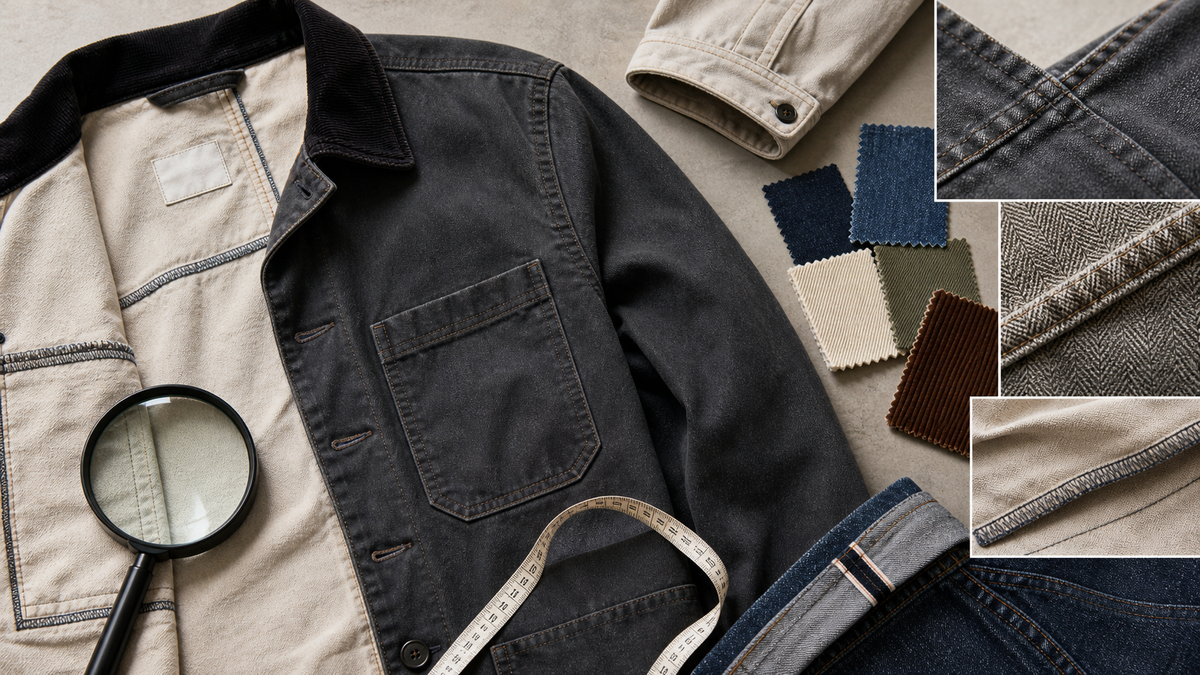
The Difference Between Vintage and Just Old
Not everything old is worth buying. The vintage clothing market can be overwhelming for beginners — there's genuine treasure alongside worn-out tat, and knowing the difference quickly is the most valuable skill a vintage shopper can develop.
This guide walks you through exactly what to look for when assessing vintage clothing quality. Once you know what to look for, explore our Excellent Condition and Good Condition collections — every piece already hand-graded for you.
Start With the Fabric
Quality vintage clothing almost always feels different to modern fast fashion — heavier, denser, and more substantial in hand. This is because older garments were often made with higher cotton weights and more generous construction standards.
- 100% natural fibres (cotton, wool, denim, linen) are almost always preferable to synthetic blends for longevity and wearability.
- Rub the fabric between your fingers — genuine heavy-weight cotton has a firmness that cheap modern fabric lacks.
- Hold the fabric up to light — quality weaves are tight and even, without visible gaps or thin patches.
Check the Construction
Turn the garment inside out. Quality vintage pieces will show:
- Clean, even stitching with no loose threads or skipped stitches.
- Reinforced seams at stress points — the underarm, seat, and collar join.
- Proper finishing — overlocked or flat-felled seams rather than raw edges.
For premium construction, check our Premium Vintage Jackets and Premium Sweaters — handpicked for exceptional build quality.
Read the Labels
Labels are one of the most reliable dating tools in vintage clothing. Key things to note:
- Country of manufacture — 'Made in USA', 'Made in England', or 'Made in West Germany' indicate genuine pre-1990s production.
- Care instruction labels became mandatory in the UK in the 1970s and in the USA in 1971. If there is no care label, the piece is likely pre-1970s.
- Union labels (ILGWU, ACWA in the USA) are strong indicators of pre-1980s American production.
Assess the Condition Honestly
Good vintage shopping means being honest about condition. Check for:
- Underarm staining or discolouration (often permanent even after cleaning)
- Pilling on knitwear and sweatshirt fleece (light pilling is fine; heavy pilling affects wearability)
- Fading — even fading adds character; uneven fading can look worn out
- Holes, tears, or thinning at collar and cuffs
Once you've bought a piece, learn how to keep it in great shape with our guide on How to Care for Vintage Clothes.
Shop With Confidence at Demand Vintage
Every piece at Demand Vintage is hand-assessed and graded before listing, so you always know exactly what condition to expect. Browse our Mens and Womens collections, check our New Arrivals, or read our grading system guide to understand how we assess condition.