Vintage Workwear Guide: How to Buy and Style Utility Pieces
June 15, 2026 · Demand Vintage
Why Vintage Workwear Belongs in a Modern Wardrobe
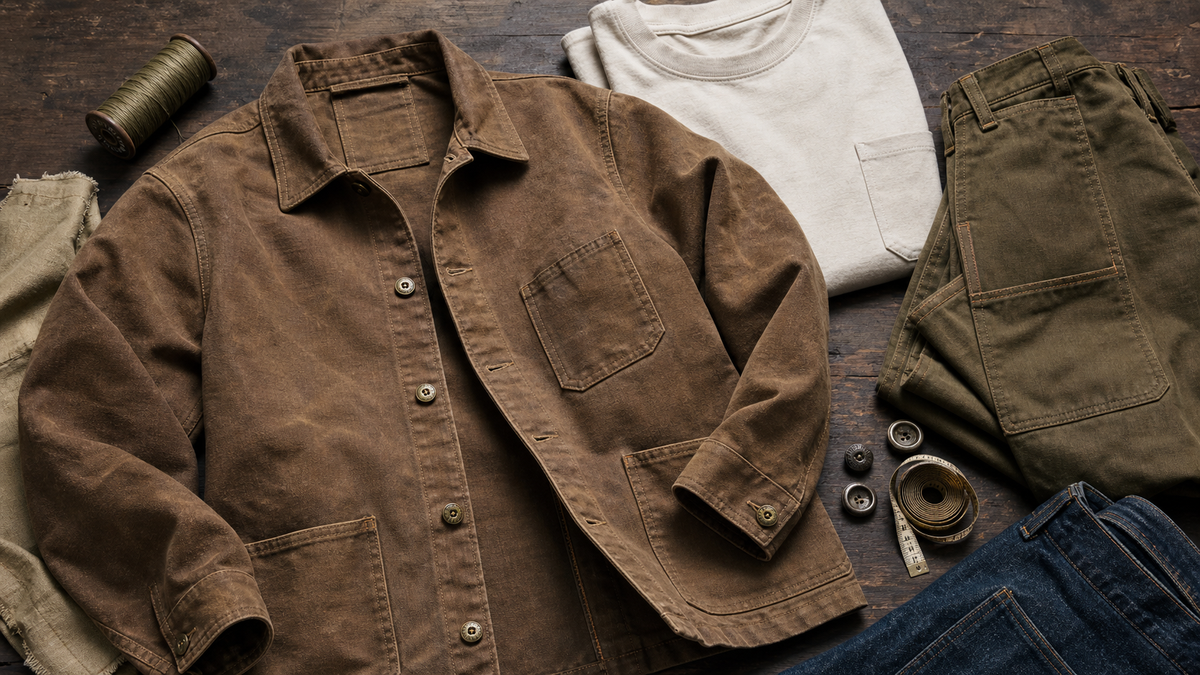
Workwear has always been built around usefulness: strong fabrics, simple pockets, relaxed fits and construction that can take daily wear. That is exactly why vintage workwear still feels relevant. A faded chore jacket, heavyweight overshirt or pair of utility trousers brings texture and character without looking over-styled.
At Demand Vintage, workwear sits naturally alongside denim, sweatshirts and jackets because it does what good vintage should do: it lasts, it layers well and it gets better with age. If you are building a practical wardrobe, start with our New Arrivals and check the Mens Coats & Jackets and Womens Coats & Jackets collections for the latest pieces.
The Key Pieces to Look For
Chore Jackets
A good chore jacket is one of the easiest vintage pieces to wear. Look for a straight cut, sturdy cotton or canvas, deep front pockets and natural fading around seams and cuffs. The best examples sit between a shirt and a jacket, which makes them useful across spring, autumn and cooler summer evenings.
Utility Trousers
Utility trousers work because they balance function with shape. Look for clean seams, strong pocket bags and a relaxed leg that can be worn with trainers, boots or loafers. If you prefer vintage denim, our Mens Trousers & Jeans, Womens Trousers & Jeans and Rare Vintage Levi's 501 Denims collections are good places to compare fits.
Heavy Shirts and Overshirts
Flannel, twill and canvas overshirts are useful because they can be worn open over a tee or buttoned under a coat. Prioritise fabric weight and shoulder fit. A slightly oversized vintage shirt can look intentional, but if the shoulders are too wide it can feel awkward rather than relaxed.
How to Judge Quality
- Fabric weight: Workwear should feel substantial, not thin or papery.
- Stress points: Check pocket corners, cuffs, crotch seams and underarms for wear.
- Hardware: Zips, buttons and rivets should feel secure and functional.
- Fading: Even fading adds character. Uneven stains or brittle fabric need closer inspection.
For a deeper checklist, read our guide on How to Spot Quality Vintage Clothing. Every Demand Vintage piece is hand-checked and graded so you know what condition to expect before it arrives.
How to Style Vintage Workwear
The simplest formula is also the strongest: a chore jacket, plain tee, straight-leg jeans and clean trainers. For a smarter look, layer a workwear jacket over a knit or polo and keep the trousers simple. For women, a cropped tee with high-rise denim and an oversized chore jacket creates a balanced silhouette without losing the practical feel.
Workwear also pairs well with sportswear. A faded utility jacket over a vintage sweatshirt gives the outfit shape while keeping it comfortable. Browse Mens Hoodies & Sweatshirts and Womens Hoodies & Sweatshirts for easy layering pieces.
Care Tips for Workwear
Because workwear is often cotton, canvas or denim, cold washing and air drying are usually safest. Avoid over-washing jackets: spot clean where possible and wash only when needed. This preserves fading, structure and fabric strength. For full care advice, see How to Care for Vintage Clothes.
Final Thoughts
Vintage workwear is not about dressing like someone else. It is about wearing pieces that were made with purpose and still have years of life left. Choose strong fabrics, honest condition and a fit you will actually wear, and workwear quickly becomes one of the most useful parts of a vintage wardrobe.