The Art of Handpicking and Grading Vintage Clothing
October 06, 2025 · Muhammad Hussain Nasim
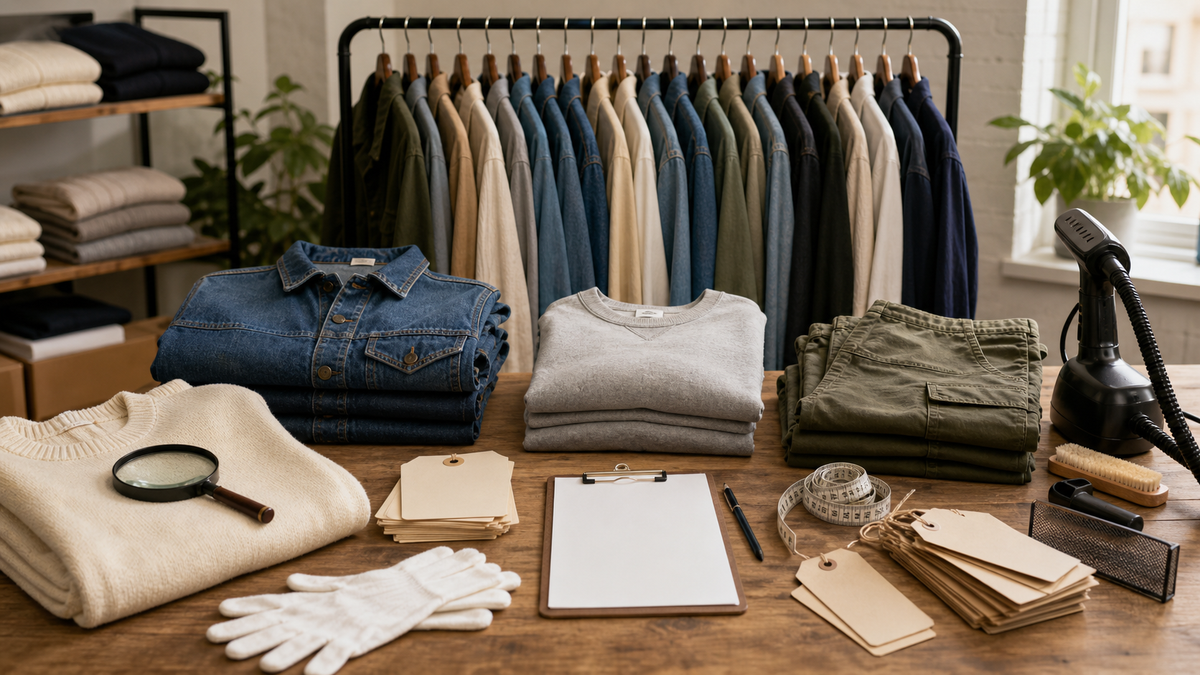
🧥 The Art of Handpicking and Grading Vintage Clothing: How Demand Vintage Sets a Higher Standard
In the world of vintage fashion, not every garment is created equal — and that's what makes it beautiful. Each piece carries a story, a bit of history, and its own character. But to make sure customers know exactly what they're getting, the vintage clothing industry relies on a crucial process: grading.
At Demand Vintage, we've taken that process and made it our own — built on honesty, precision, and love for quality vintage. Read our full grading system guide to see exactly how each grade is defined.
🧵 What Grading Means in the Vintage Industry
In the global vintage and secondhand market, grading is the process of sorting used garments based on their condition, quality, and resale potential. The purpose? To ensure customers — whether wholesalers, retailers, or individuals — know what they're buying.
Vintage clothing comes from a variety of sources: textile recycling centres, charity collections, deadstock warehouses, or private collectors. These items are then sorted by experts who inspect every stitch, seam, and stain.
Typical industry grades include:
- Grade A: Excellent condition, minimal signs of wear.
- Grade B: Light wear or small, fixable flaws.
- Grade C: Noticeable wear, repairs needed.
- Grade D: Damaged beyond resale or for upcycling.
But at Demand Vintage, we go deeper than that. We handpick every single item — no bulk buying, no guesswork — and we use a refined four-tier system to define exactly what you're getting.
🧤 How Demand Vintage Handpicks Each Piece
Before any piece of clothing earns its grade, it goes through our in-house handpicking process — a method that combines craftsmanship with intuition.
1. The Source
Our sourcing team travels to trusted vintage suppliers, warehouses, and collectors across the UK and Europe. We look for timeless styles, brand heritage, and materials that last — from classic Carhartt work jackets to retro Nike sweatshirts and unique 90s denim. Browse our New Arrivals to see what's just been handpicked.
2. The Feel Test
Fabric tells a story. Our pickers know what high-quality cotton, real wool, or true 80s polyester feels like. We check every item by hand, testing the weight, stitching, and durability. Learn what to look for yourself in our guide on How to Spot Quality Vintage Clothing.
3. The Eye for Character
Vintage clothing isn't supposed to look new — it's supposed to have character. A faded graphic or softened fabric adds charm. But we also know the line between worn-in and worn-out. That's where our grading system begins.
🧩 The Demand Vintage 4-Grade System
We use four simple but precise grades that define every product in our store. This grading makes shopping online for vintage more transparent and removes the guesswork.
🅰️ A CRISP — Mint Condition
Definition: Perfect item. No marks or damage. It may need a light wash, but overall, it's in mint condition.
These are the gems of the vintage world — the "time capsule" pieces. Shop our Excellent Condition collection for A Crisp and A Worn pieces.
- Fabrics are crisp, colours vibrant, prints intact.
- Ideal for collectors, stylists, or anyone who loves their vintage pristine.
- Needs nothing more than a gentle wash before wearing.
🅰️ A WORN — Loved but Perfect
Definition: A perfect item with no major, non-removable marks. It will show light signs of wear, gentle fading, or softening — but no damage.
- No tears, holes, or deep stains.
- Minor surface marks that add charm, not flaws.
- Washed before sale and wearable right away.
🅱️ B GRADE — Imperfect but Beautiful
Definition: Items with visible wear, notable marks, or areas that need extra cleaning or care — but are still perfectly wearable after light restoration. Browse our Good Condition collection for B Grade pieces.
- May require an extra wash or spot treatment.
- Perfect for reworking, dyeing, or personal styling.
- Fabric integrity remains strong.
🅲️ C GRADE — Worn Hard, Worth Saving
Definition: Items that may have a small rip, broken zipper, or missing detail — but with potential for repair or upcycling.
- Small holes, broken fasteners, or tears are expected.
- Great candidates for repair, custom rework, or art projects.
- Extends garment life through creativity and sustainability.
🧿a The Inspection and Grading Process
Once each piece is picked, it goes through a detailed inspection workflow:
- Surface Scan: We check every inch of fabric under natural and studio light.
- Structural Check: We test zips, buttons, and seams for strength.
- Mark Assessment: Any stain, mark, or hole is categorized by type and removability.
- Fit and Fabric: We measure accurately and note shrinkage or stretch.
- Grade Assignment: The piece earns its A Crisp, A Worn, B, or C grade.
- Quality Sign-Off: Before uploading, it's double-checked by another team member.
This process ensures zero surprises for our customers — just honest, transparent quality. Once you've received your piece, see our How to Care for Vintage Clothes guide to keep it in great condition.
🔍 Why Grading Matters in the Vintage Industry
The secondhand market is booming — but not all sellers are created equal. Transparency builds trust. A grading system shows customers that you're confident in your product and honest about imperfections.
- 💬 Customer confidence: Clear grading means fewer returns and higher satisfaction.
- ♻️ Sustainability: Grading helps decide what can be resold, repaired, or recycled — reducing waste.
- 🎯 Fair pricing: Customers only pay for the condition they're getting.
- 🧠 Education: Buyers learn to appreciate the real value of vintage pieces.
🪡 Handpicking vs. Bulk Buying — The Quality Divide
Many sellers rely on wholesale "rag-yard" buying — purchasing bales of used clothes by weight, unseen. While this keeps costs low, it sacrifices quality and consistency.
At Demand Vintage, we reject that model. Every single item you see on our website has been handpicked, inspected, and graded individually. That means no random stock, no "surprise stains", and no disappointment when you unbox your order.
🧭 The Life Cycle of a Vintage Piece at Demand Vintage
- Selection: Our team visits vintage warehouses or receives curated lots from trusted partners.
- First Sort: Pieces are divided by brand, era, and fabric type.
- Hand Inspection: Each garment is assessed for authenticity and condition.
- Cleaning: Items that pass the first check are washed and air-dried.
- Grading: After cleaning, we grade based on the four levels (A Crisp → C).
- Photography & Listing: Each item is shot in natural light, showing every detail honestly.
- Customer Order: Once purchased, we re-check the piece for quality before shipping.
No automated systems. No shortcuts. Just trained eyes and a shared love for true vintage.
🌍 How Grading Connects to Sustainability
Every graded piece contributes to reducing waste and carbon emissions. When we identify an item as Grade C, it doesn't go to landfill — it goes into a separate channel for repair, reworking, or recycling. Read more about our sustainability mission in Style That Saves: How Buying Vintage Cuts CO₂.
✨ Final Thoughts: Grading Is About Respect
Grading vintage isn't just about condition — it's about respect. Respect for the maker who crafted it decades ago. Respect for the planet that provided its materials. And respect for the customer who will give it its next chapter.
Ready to shop with confidence? Browse our Mens and Womens collections, or check New Arrivals for the latest handpicked pieces. And if you're new to vintage sizing, our Vintage Size Guide has you covered.
Demand Vintage — Sustainable Style. Worn With Purpose.