How to Sell Vintage Clothing on Depop and Vinted: The Complete Guide
June 09, 2026 · Demand Vintage
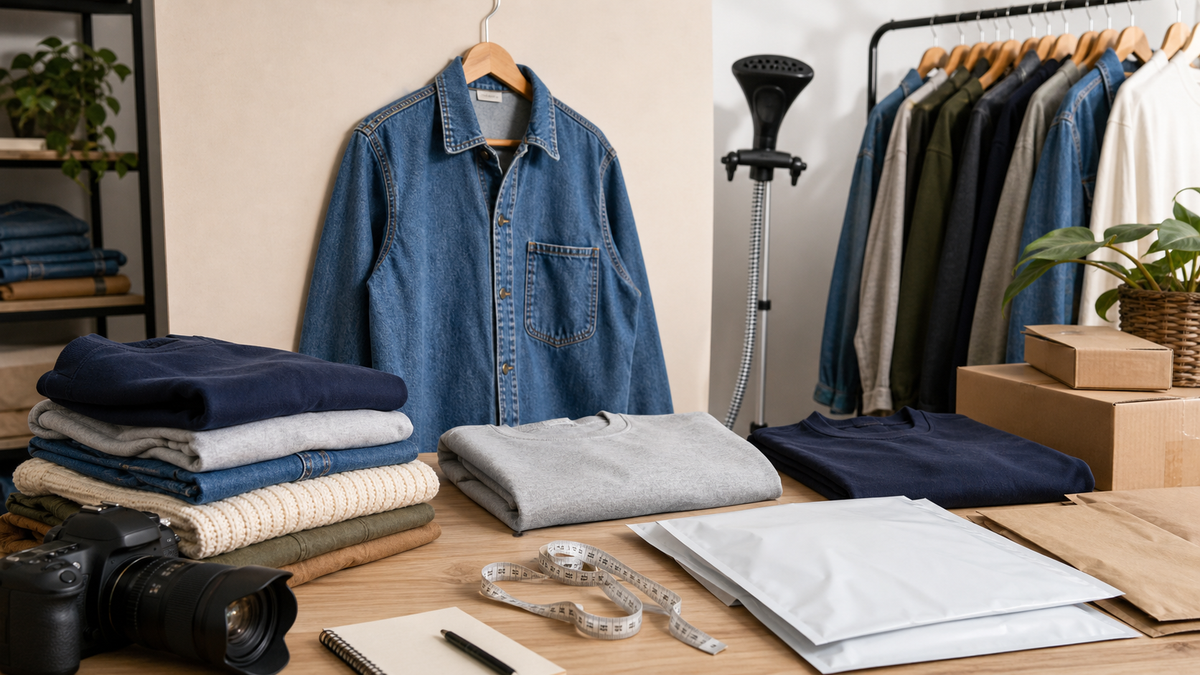
Why Vintage Reselling Is Booming Right Now
The secondhand fashion market is growing faster than almost any other retail category. Platforms like Depop and Vinted have made it easier than ever to buy and sell vintage clothing — and for many people, it has become a genuine side income or even a full-time business.
Whether you are just getting started or looking to scale up, this guide covers everything you need to know to sell vintage clothing successfully online. For context on why the market is so hot right now, read our piece on How the UK Fell Back in Love with Second-hand Fashion.
Sourcing Your Vintage Stock
Consistent sourcing is the foundation of a good vintage reselling business. The best resellers develop multiple sourcing channels:
- Charity shops and car boot sales — time-intensive but high-margin when you find the right pieces.
- Vintage wholesale — buying in bulk from reputable wholesalers like Demand Vintage means consistent quality and better prices per unit. Our Depop / Vinted Reseller Boxes are specifically curated for Depop and Vinted sellers.
- Estate sales and house clearances — unpredictable but occasionally extraordinary finds.
Not sure what to look for when sourcing? Our guide on How to Spot Quality Vintage Clothing will sharpen your eye fast.
Grading Your Stock
Accurate grading is essential for maintaining your seller reputation. Use a consistent system:
- Grade A — excellent condition, no visible flaws. Best photographed and listed at full price.
- Grade B — good condition with minor wear. Price accordingly and photograph any flaws clearly.
- Grade C — noticeable wear, perfect for buyers who want a well-loved look or plan to upcycle.
At Demand Vintage, all our wholesale stock is pre-graded, saving resellers significant time. Read our full breakdown of The Art of Handpicking and Grading Vintage Clothing to understand how we do it, and see our grading system guide for the exact criteria.
Photography That Sells
On Depop and Vinted, your photos are your storefront. Natural light is your best friend — shoot near a window or outdoors on an overcast day for even lighting with no harsh shadows. Flat lays perform well on Vinted; on Depop, lifestyle shots and styled photos tend to get more engagement.
Always photograph: front, back, any labels (buyers love seeing the original tags), and any flaws — this reduces returns and builds trust.
Pricing for Profit
Research comparable listings before setting your price. On Depop, search for sold listings (filter by 'sold') to understand real market value rather than aspirational listing prices. Factor in platform fees — Depop takes 10%, Vinted charges buyers a fee meaning sellers receive full price.
Writing Descriptions That Rank
Both Depop and Vinted use search algorithms. Include the brand name, item type, colour, size, and era in your title and description. 'Vintage 90s Nike swoosh quarter zip fleece burgundy size M' will outperform 'Nike jumper' every time. For inspiration on what makes certain pieces desirable, read our Vintage Nike Sportswear guide and 90s Vintage Trends Making a Comeback in 2026.
Sizing: Get It Right Every Time
Incorrect sizing is one of the biggest causes of returns on resale platforms. Always measure your pieces and list actual measurements rather than relying on the label. Our Vintage Size Guide explains exactly how vintage sizing differs from modern UK sizing.
Start With Quality Stock
The easiest way to build a successful vintage reselling business is to start with quality, pre-graded stock. Explore our dedicated Depop / Vinted Reseller Boxes — handpicked vintage bundles at wholesale prices, ready to list. Check our New Arrivals regularly for fresh stock across all categories.